
The Rise of Tempe Chips
When I was a kid in Malang, Jl Sanan was just the street where tempe came from.. everybody knew it, nobody thought much about it. We’d grab fresh tempe wrapped in banana leaves from the neighbourhood, fry it plain with rice, or mash it into tempe penyet - fried tempe, sambal terasi, rice. Done. It was food. Not a health food. Just food.
I lived on that street from the mid-80s through the late 90s. Back then Sanan was synonymous to tempe. The whole kampung felt like a fermentation pot.. in the best way. It was a whole ecosystem.. the tempe makers, and alongside them the people who stocked and sold the soybeans. Keripik tempe existed, but the big oleh-oleh culture came later.. when Malang and Batu grew into proper weekend destinations and people needed something to bring back to Surabaya or Jakarta.
Fast forward to January 2024. I was at the Google UK office in London and walked into the cafeteria.. and there it was. Tempe. On the salad bar. Served as a healthy topping.
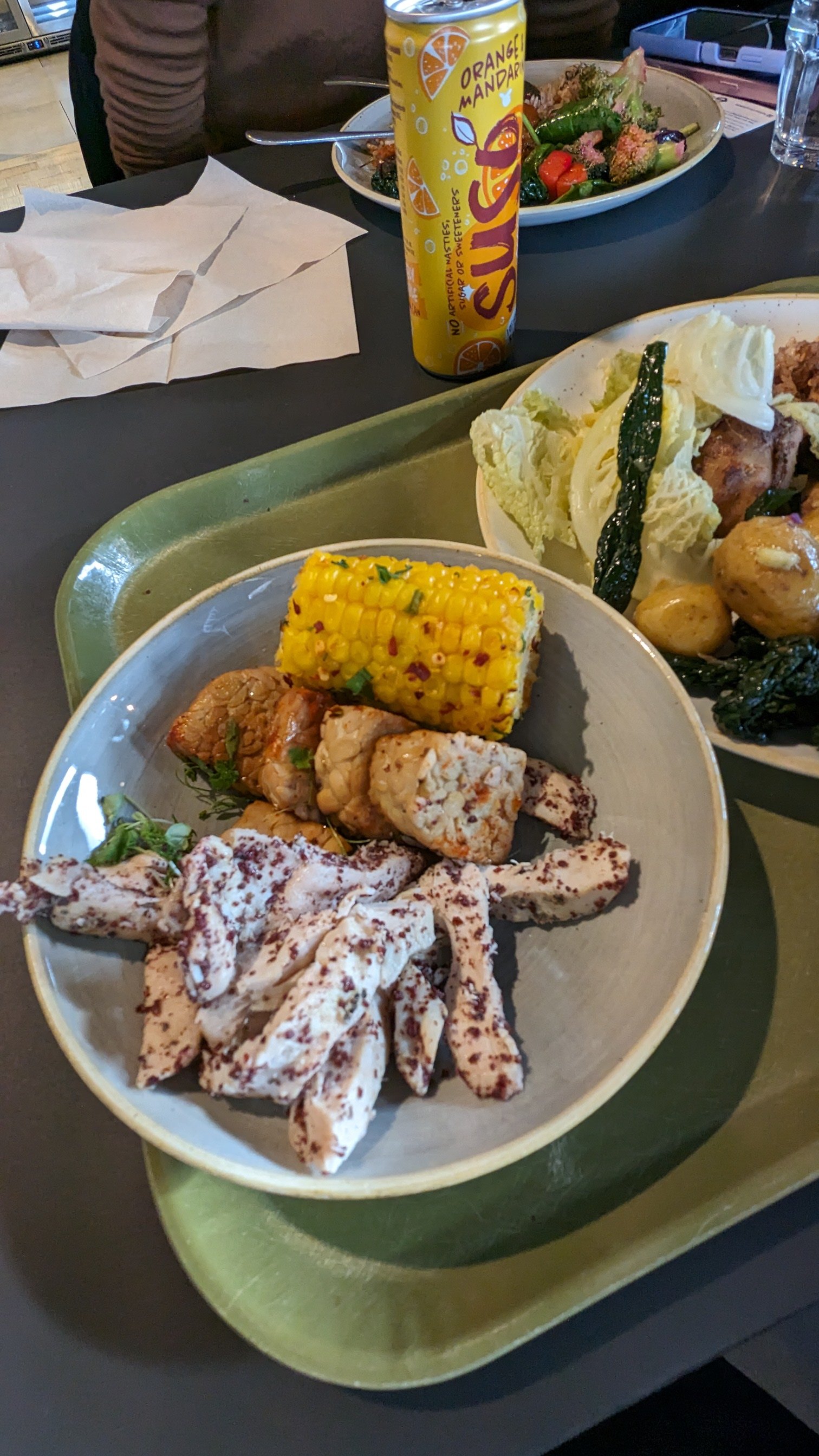
I had to stop and take a photo. Kind of odd if you grew up eating it fried with rice.. but also the point.
Then last year, 2025, IBM Singapore office. I walked past someone’s desk and there it was again - a bag of tempe chips, just sitting there.
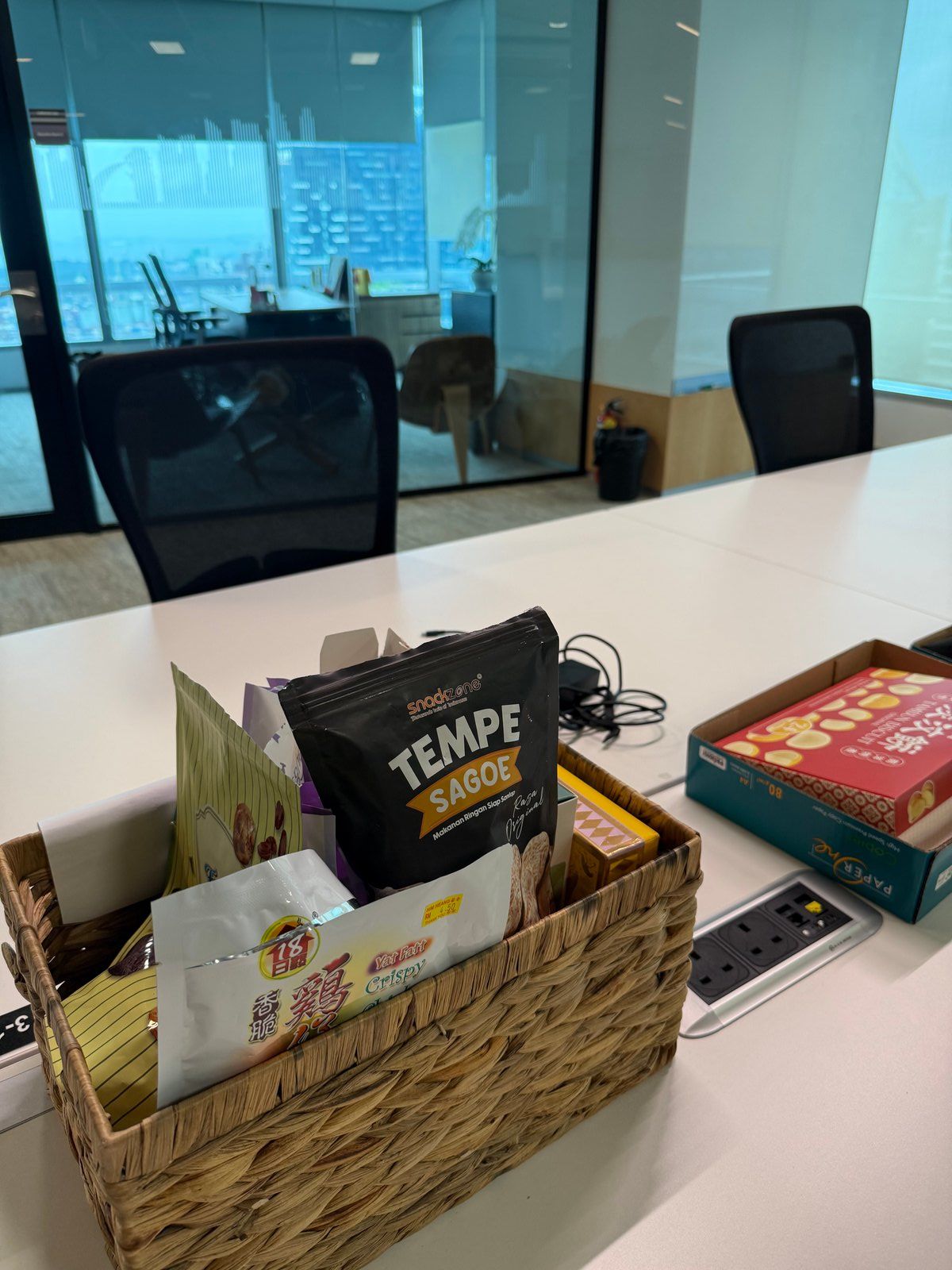
Two different cities. Two different contexts. Same complete lack of ceremony about it.
Where keripik tempe comes from
Jl Sanan’s story goes back further than most people realise. The kampung started as a colonial-era settlement in the early 1800s, where ordinary Javanese households fermented soybeans because meat was too expensive.. tempe was accessible nutrition, nothing more.
By the mid-20th century it had turned into a whole-village cottage industry. Families passed down the full process - soaking, de-hulling, boiling, inoculating with ragi. Soybean skins went to feed cattle.. nothing wasted.
The crispy chip version came later. In the 1970s and 80s, local home cooks figured out that slicing tempe paper-thin and deep-frying it in a light rice flour batter solved the shelf-life problem - fresh tempe lasts a day or two before it over-ferments. The chip version travels. So as Malang and Batu grew into weekend destinations for families from Surabaya and Jakarta, keripik tempe became the definitive East Javanese oleh-oleh.
That practical workaround eventually became a tourism industry. Kampung Sanan is now officially recognised as a Kampung Tematik Industri Tempe.. hundreds of home producers, dozens of tons of soybeans processed daily, visitors walking through the alleys watching the fermentation and frying happen live.
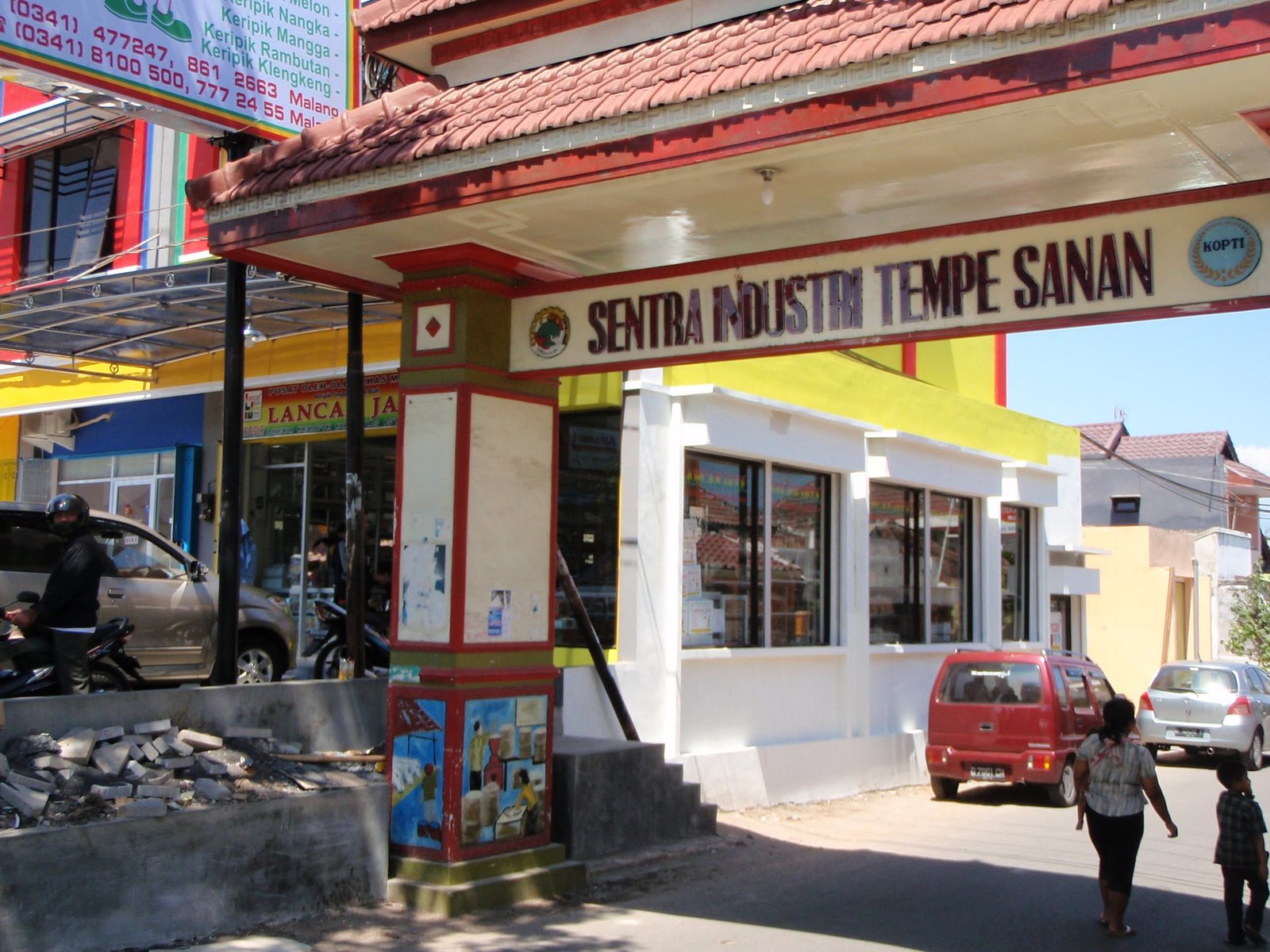
I grew up there. I didn’t see any of that coming.
So is it actually better for you?
I’ve been snacking on tempe chips lately and got curious enough to actually run the numbers. Pulled up three products and normalised everything to a standard 50g portion so the comparison is fair:
| (per 50g) | Taro Tempe | Wôh Tempe | Chitato Lite |
|---|---|---|---|
| Base ingredient | Tempe 60% | Tempe 92% | Potato 61% |
| Calories | ~300 kcal | 280 kcal | ~275 kcal |
| Protein | 6.7g | 8g | 2.5g |
| Fiber | decent | high | low |
| Sugar | 0g | 0g | 2.5g |
| Sodium | 117mg | 540mg | 162mg |
| Total Fat | 20g | 16g | 17.5g |
A few things stand out.
Chitato Lite is 61% potato - fast-digesting starch that spikes blood sugar and leaves you hungry an hour later. Protein at 2.5g per 50g does nothing for satiety. The madu mentega flavour also adds sugar.
Wôh Tempe is 92% fermented soybean. The whole-food fiber and plant protein at 8g per 50g actually do something - satiety hormones respond differently to fermented soy and fiber than they do to refined potato starch. The tradeoff is sodium at 540mg, which is high.
Taro Tempe sits in the middle - 60% tempe base, solid protein at 6.7g, and the lowest sodium of the three at only 117mg. If you’re watching salt intake it’s the obvious pick.
Are tempe chips a health food? No.. they’re still deep-fried, and over half the calories come from palm oil across all three. Nobody should eat a 50g bag and feel virtuous about it. But compared with standard potato chips as a snack trade-off? The protein and fiber gap is real.
From Jl Sanan to a salad bar in London
Somewhere along the way tempe crossed over from “Indonesian fermented soybean” to just “healthy protein”. The Google cafeteria crowd queuing up for it had no idea it came from a kampung in Malang. The person whose desk had a bag of keripik tempe in Singapore probably just grabbed it at a snack shop without thinking much about it.
The journey from a cottage industry solving a shelf-life problem in the 1980s to a salad bar ingredient in a London tech office.. that’s a long road.
I happened to grow up on the street where it started. Still a bit surreal to think about.. 😄
